

Kegel Exercises Guide
Learn the Kegel basics, the breathing, and the hold-and-relax timing
A step-by-step walkthrough for men: finding the pelvic floor muscles, keeping your breathing even, timing each hold and release, and catching the form slips that make a home program feel harder than it is.
Before the first rep
What a Kegel exercise actually asks of you
A Kegel is a short, controlled squeeze of the pelvic floor followed by a full release. The squeeze is the easy half. The release is where most home programs quietly go wrong.
The pelvic floor is a sling of muscle that sits at the base of the pelvis, roughly between the pubic bone at the front and the tailbone at the back. It helps hold the bladder and bowel in place and takes part in everyday actions you rarely think about. Kegel exercises are simply a way of training that sling on purpose, the same way you would train any other muscle group: a little at a time, with attention to form.
Before you count a single rep, decide two things. First, that you can find the muscle and let it go completely again. Second, that you are not holding your breath. Everything else on this page builds on those two habits. Men often start a home program, feel a light pull, and assume it is working. The useful signal is different: a gentle lift that you can repeat evenly, ten times in a row, without your abdomen tightening or your legs bracing.
Expect this to feel awkward on day one. Most people take several sessions just to separate the pelvic floor from the surrounding muscles. That is normal and it is part of the training, not a sign that something is off.
Muscle first
Learn to lift and fully release before you count anything.
Breath second
Keep breathing normally. Holding your breath hides the squeeze.
Timing third
Equal hold and rest. The rest is part of the rep, not a pause.

Finding the right muscle
The test is simple: the lift should feel like it comes from inside the pelvis, and your stomach, thighs and buttocks should stay quiet.
Two ways to locate it
- Imagine you are trying to stop passing wind, then imagine you are trying to stop the flow of urine. The muscle you feel tighten for both is the one you are after. Use this only as a way of finding it once, not as a daily exercise habit.
- A second check: sit or lie down, exhale slowly, and see whether you can feel a small inward lift at the base of the pelvis. If you can hold it for two seconds and let it go completely, you have found it.
Signs you have the wrong muscles
- Your stomach pulls in hard, or you feel a bracing sensation across the abdomen.
- Your buttocks or inner thighs tighten first, and the pelvic lift is hard to feel at all.
- You catch yourself holding your breath, or your shoulders rise with each squeeze.
If any of those happen, stop the rep, breathe out, and start again with less effort. Lighter and cleaner beats harder.

Breathing normally
Keep breathing normally through every hold
The most common mistake in a Kegel home program is holding your breath while you squeeze. It feels like focus, but it changes the pressure inside your abdomen and makes the pelvic floor work against you. If your face is tense and your chest is still, you are probably not breathing.
Try this pattern instead. Breathe in through your nose for about four seconds, letting the lower ribs widen. Then exhale gently for about six seconds and add the pelvic floor lift as the air leaves. Release the lift as the exhale finishes. The breath sets the rhythm; the squeeze rides along with it.
Some men find it easier to count out loud under their breath. Others simply watch their own chest and stomach stay soft. Either way, the goal is the same: a steady, quiet breath that never stops while the muscle is working.
A short breath check before each set: sit tall, exhale fully once, then begin. It takes ten seconds and it sets up the whole round.
Hold and relax
Timing that keeps the rest as long as the hold
Start with short holds and let the rest match them. A rep only counts when you have fully let go before the next one begins. If the muscle still feels switched on during the rest, the rest is too short.
Starting weeks
Hold for two seconds, rest for two seconds. Ten slow reps, once or twice a day. Stop while it still feels easy — that is the point of the starting weeks.
Building control
Hold for three to five seconds, rest for the same. Eight to ten reps. If the last two reps feel rushed or the release is unclear, drop back to the shorter hold.
Quick lifts
Once slow holds feel steady, add short one-second lifts with a full one-second release between each. These train the muscle to respond quickly rather than to hold for long.
How many in a day
Two short sets spread across the day is plenty for most men. Long sessions in one sitting tend to end with tired, sloppy reps that teach the wrong pattern.
Write the hold length and the number of reps in a notebook or a phone note after each set. Keeping a simple record is the easiest way to notice that the holds are getting cleaner rather than assuming they are.
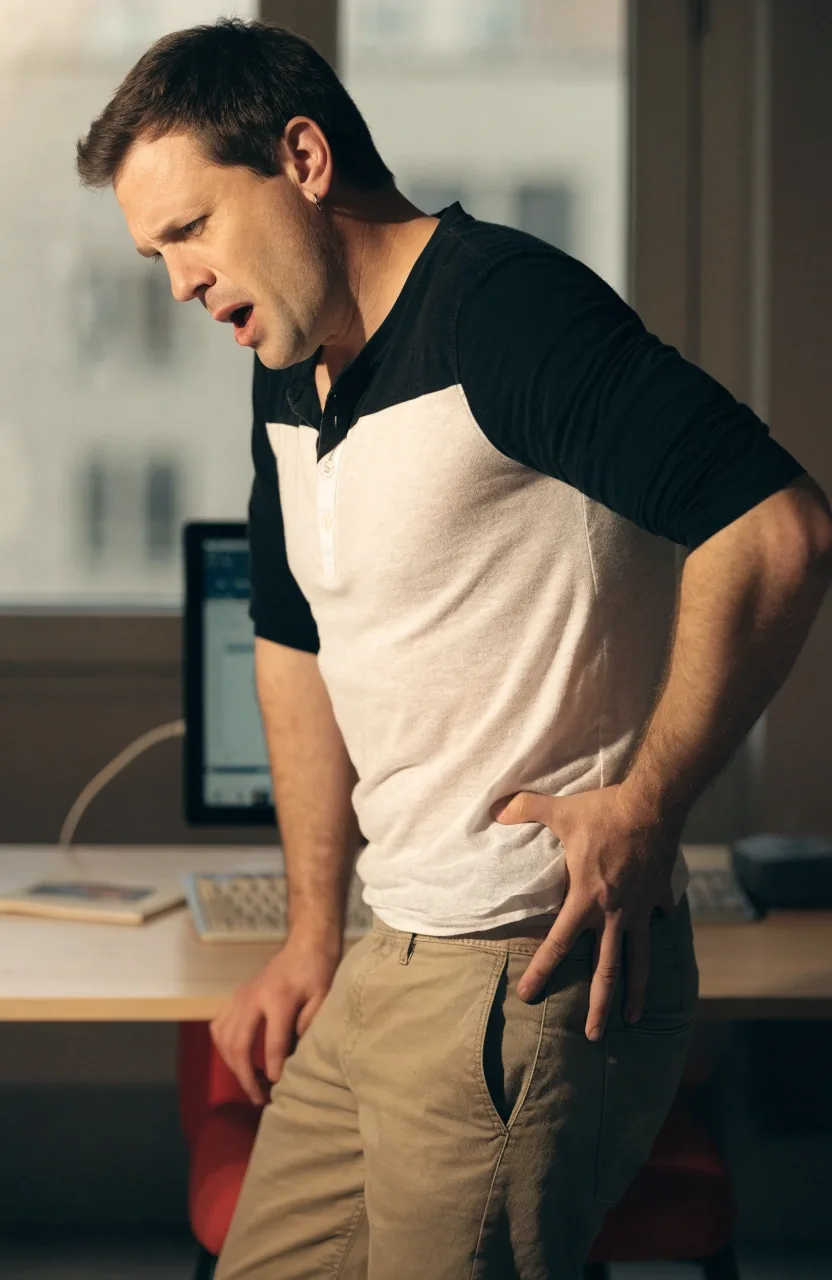
Common form mistakes
Five slips that turn a good routine into a frustrating one
None of these are unusual. They show up in almost every home program at some point, and each one has a straightforward fix. Check the list against your own last set.
Squeezing harder
More effort is not more training. A light lift you can release cleanly beats a hard squeeze you cannot let go of.
Bracing the abdomen
If your stomach pulls in, the pressure moves down and the pelvic floor has to work against it. Keep the belly soft.
Holding your breath
Count your breath out loud if it helps. If you cannot speak a short phrase, you are not breathing.
Skipping the release
Pause for one full breath between reps. A muscle that never rests stops giving you clear feedback.
Rushing the set
Slow reps with attention beat fast ones. Ten careful reps take about a minute — that is the whole session.
What a realistic week of practice looks like
Short and regular works better than long and occasional. The plan below fits around a normal working day in Jakarta: a set before you leave the house, a set in the evening, and nothing to buy or set up in between.
A note on expectations
Pelvic floor training is a gradual habit. Some men notice steadier control after a few weeks of consistent practice; others take longer. Progress varies from person to person, and this page does not promise a particular result or timeline.
Morning
One set of ten slow reps after you get up, sitting on the edge of the bed with both feet flat on the floor. Two-second holds, two-second rests, breathing the whole way through.
Midday
No formal set needed. If you are sitting at a desk for hours, stand up once an hour, roll your shoulders back, and take three slow breaths. This keeps the habit present without adding a workout.
Evening
The second set, done lying down with knees bent if sitting has started to feel cramped. Same pattern, or three to five second holds if the shorter ones now feel steady and controlled.
One rest day
Pick a day each week and skip the sets entirely. Muscles need time to recover between training days, and a planned rest day makes it easier to keep the other six consistent.

Where Kegels fit alongside the rest of your self-care
Pelvic floor training is one part of looking after yourself, not a replacement for the others. Sleep, steady movement, enough water through the day and a reasonable diet all feed into how your body feels, and a tired, dehydrated day will show up in how well you can hold and release.
If you have had pelvic or abdominal surgery, or you are unsure whether these movements suit you, speak with a qualified health professional before starting. This page is educational guidance about exercise technique; it is not a substitute for individual advice.
Questions men ask before starting
Short answers to the things that come up most often in the first few weeks of practice. Open any question to read the full reply.
How do I know I am squeezing the pelvic floor and not my buttocks?
Place a hand on one buttock while you practise. If you feel the cheek tighten at the same moment as the squeeze, you are bracing. Try again with less effort and let the buttock stay soft. The same check works with a hand on the lower abdomen.
Should I hold for as long as I can?
No. Choose a hold length you can repeat eight to ten times with the same clean release, then stop. Two seconds is a fine starting point. Longer holds only help once the shorter ones feel steady and controlled.
Where is the best place to practise?
Somewhere you can sit or lie comfortably and are not rushing: the edge of a bed, a firm chair, or a mat on the floor. Lying down with knees bent is often easiest at the start because the surrounding muscles switch off more readily.
Can I do Kegels while walking or at my desk?
Once you can find the muscle reliably, yes — a few slow lifts while sitting at a desk is a reasonable way to build the habit. Do your counted sets somewhere calm, though, so you can actually tell whether the release is complete.
What if I feel a dull ache after a set?
Reduce the number of reps and the hold length, and check that you are releasing fully between each one. A tired feeling after a new routine is common. Ongoing or sharp discomfort is a reason to pause the exercise and speak with a qualified health professional.
Start with one set today and keep it small
Ten slow reps, a full breath between each, done somewhere quiet. That is enough for the first week. Come back to this guide when you want to check your form or move on to longer holds. If you would rather talk through the routine first, our team is available Monday to Friday, 9:00 AM – 6:00 PM WIB.
Address
Jl. Jenderal Sudirman No. 52, Jakarta Pusat, DKI Jakarta 10220, Indonesia
Phone